GLOW 70 mg – Tripeptide Research Blend (BPC-157 · TB-500 · GHK-Cu)
⚠️ Warning: This product is intended exclusively for scientific research and laboratory use in accordance with EU chemical legislation. It is not intended for human or veterinary consumption, nor for the diagnosis, treatment, or prevention of any diseases. Sale restricted to individuals over the age of 18.
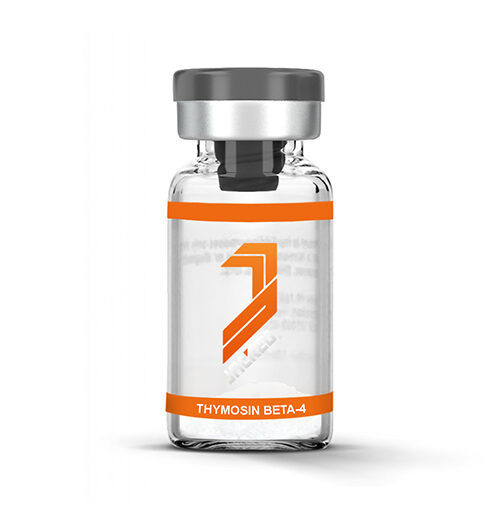
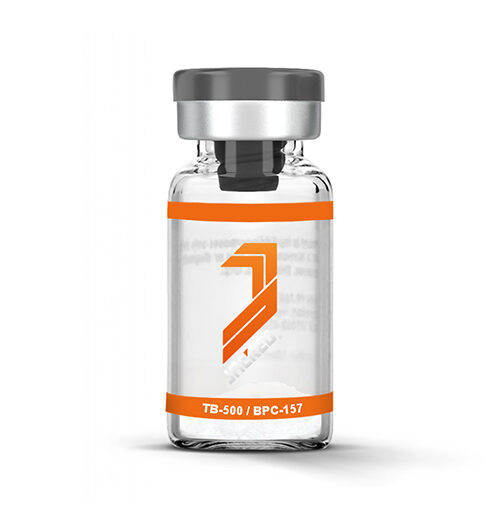
GLOW is a freeze-dried research blend consisting of three synthetic peptides with a well-documented preclinical profile: BPC-157 (10 mg), TB-500 / Thymosin Beta-4 (10 mg), and GHK-Cu / Copper Peptide (50 mg). The combination was designed to enable the simultaneous study of multiple molecular pathways involved in tissue healing, cell regeneration, and extracellular matrix synthesis.
Composition and CAS Numbers
| Ingredient | Quantity | CAS Number | Form |
| BPC-157 (Body Protection Compound) | 10 mg | 137525-51-0 | lyophilized powder |
| TB-500 (Thymosin Beta-4) | 10 mg | 77591-33-4 | lyophilized powder |
| GHK-Cu (Copper Tripeptide-1) | 50 mg | 89030-95-5 | lyophilized powder |
| Total amount | 70 mg | — | — |
Research Profile of the Components
BPC-157 (Body Protection Compound 157) — 10 mg
BPC-157 is a synthetic pentadecapeptide composed of 15 amino acids, derived from the BPC protein isolated from human gastric juice. In preclinical studies using animal models, it has been investigated for its potential to modulate tissue healing processes through multiple signaling cascades.
Research mechanisms (preclinical data):
- Activation of the FAK-paxillin signaling pathway → promotion of cell migration and proliferation
- Modulation of Nitric Oxide (NO) Synthase Expression
- Stimulation of angiogenesis via the VEGF pathway
- Anti-inflammatory effects in models of inflammatory bowel disease (IBD)
Areas of preclinical research: healing of tendons and ligaments, gastrointestinal protection, neuroprotection, cardioprotection.
TB-500 / Thymosin Beta-4 — 10 mg
Thymosin Beta-4 (Tβ4) is a naturally occurring peptide composed of 43 amino acids, released by platelets and macrophages at sites of injury. TB-500 is a synthetic version of it. Unlike BPC-157, it acts primarily systemically—by regulating the actin cytoskeleton and stem cell migration.
Research mechanisms (preclinical data):
- Binding to G-actin → regulation of actin filament polymerization
- Promotion of the migration of stem cells and progenitor cells to the site of injury
- Reducing Apoptosis and the Inflammatory Response in Injured Tissue
- Preclinical research on cardioprotective properties (independent of the GH axis)
Areas of preclinical research: muscle and tendon regeneration, wound healing, cardiac regeneration, neuroprotection.
GHK-Cu / Copper Tripeptide-1 — 50 mg
GHK-Cu (glycyl-L-histidyl-L-lysine + Cu²⁺) is a naturally occurring tripeptide with a high affinity for copper ions (Cu²⁺). It has been extensively studied for its role in the regulation of the extracellular matrix, collagen synthesis, and tissue healing. Its highest concentration in the GLOW blends (50 mg) reflects its unique research potential.
Research mechanisms (preclinical data):
- Stimulation of collagen I, III, and elastin synthesis in dermatological cell models
- Activation of MMPs (matrix metalloproteinases) → remodeling of the extracellular matrix
- Stimulation of blood vessel growth (angiogenesis) and nerve fiber growth (neurite formation)
- Modulation of inflammatory cytokines (TNF-α, IL-1β, IL-6) in vitro
- Activation of genes associated with DNA repair
Areas of preclinical research: skin and connective tissue regeneration, collagen synthesis, wound healing, neuroprotection, and anti-aging research using cellular models.
Scientific Synergy of the Three Components
From a research perspective, the combination of BPC-157, TB-500, and GHK-Cu is particularly interesting because of the complementary nature of their mechanisms of action:
- BPC-157 acts primarily at the local level and promotes the healing of specific tissues (tendons, ligaments, GI mucosa) through the FAK and NO pathways
- TB-500 provides a systemic component—the mobilization of repair cells and the regulation of actin across tissues
- GHK-Cu contributes to the research model through its unique ability to stimulate collagen synthesis and remodel the extracellular matrix, thereby creating the structural foundation for tissue regeneration
This trio covers three distinct but complementary aspects of tissue biology: healing signaling (BPC-157) → mobilization of repair cells (TB-500) → matrix synthesis (GHK-Cu). It is precisely this synergy that makes GLOW blends an interesting subject for further preclinical research.
Technical Specifications
| Parameter | Value |
| Total amount | 70 mg (10/10/50) |
| Form | Freeze-dried powder (vial) |
| Purity | ≥98% (HPLC-verified) |
| Recommended solvent | 0.9% NaCl saline solution |
| Storage – freeze-dried | −20 °C, protect from light |
| Storage – after reconstitution | 2–8 °C, use within 28 days |
| Intended Use | Exclusively preclinical/laboratory research |
| Age Restriction | 18+ |
Why GLOW blend?
- Three peptides in one vial — reduces handling and simplifies the research protocol
- The 10/10/50 mg ratio — reflects research data on the dosages of the individual ingredients
- Purity ≥98% — verified by HPLC analysis; each batch tested
- Freeze-dried form — maximum storage stability, longer shelf life
Frequently Asked Questions About GLOW 70 mg (FAQ)
⚠️ Final Disclaimer
All information provided in this description is intended solely for scientific and research purposes. We do not provide any clinical recommendations. GLOW 70 mg is not a drug, a dietary supplement, or a cosmetic product. It has not been approved by any regulatory authority (EMA, ŠÚKL) for human use. The seller is not liable for any use of the product that violates these terms and conditions.