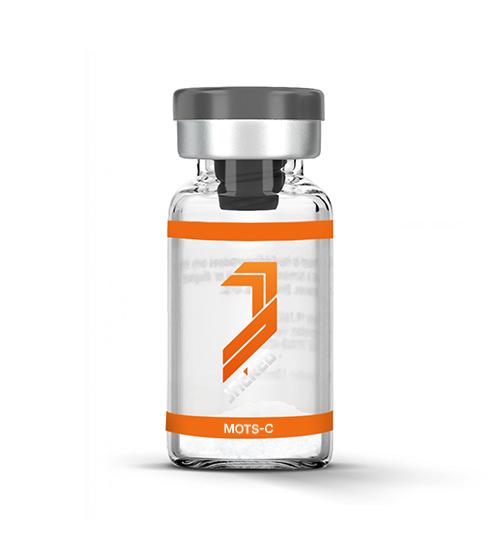
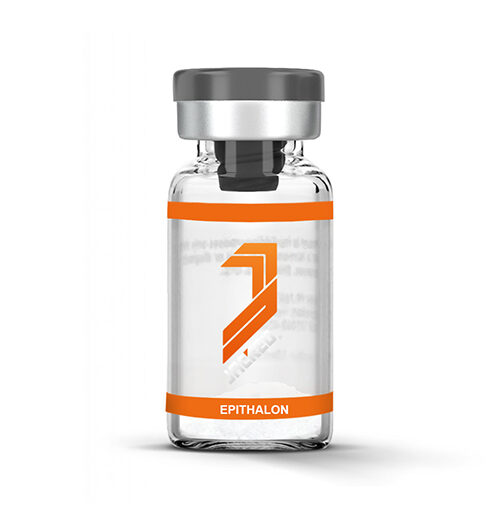
MOTS-c 10 mg – Mitochondrial Peptide for Research on Metabolism and Longevity
⚠️ Warning: This product is intended solely for scientific research purposes (research use only). It is not intended for use as a medicine, drug, dietary supplement, or for human use. Sale restricted to individuals over the age of 18.
What is MOTS-c?
MOTS-c (Mitochondrial Open Reading Frame of the 12S rRNA-c) is a 16-amino acid peptide encoded by mitochondrial DNA —specifically, the 12S rRNA region of the mitochondrial genome. This characteristic makes MOTS-c a unique molecule: it is the first documented mitochondrially encoded peptide with directly documented metabolic effects at the whole-organism level.
Unlike most bioactive peptides, which are encoded by the nuclear genome, MOTS-c originates in the mitochondria—the organelles responsible for cellular energy metabolism. This unique characteristic opens up new research perspectives in the field of mitochondrial communication and systemic regulation of metabolism.
Discovery: Dr. Pinchas Cohen and the Keck School of Medicine (2015)
MOTS-c was identified and characterized by Dr. Pinchas Cohen’s team at the Keck School of Medicine, University of Southern California (USC). The research findings were published in 2015 in the prestigious scientific journal *Cell Metabolism* (Lee et al., 2015), providing the scientific foundation for further research on this molecule.
The publication describes MOTS-c as a mitochondrially encoded peptide that regulates glucose and lipid metabolism and suggests its role in systemic metabolic homeostasis.
The First Mitochondrially Encoded Peptide with Metabolic Effects
MOTS-c belongs to the growing family of mitochondria-derived peptides (MDPs), which also includes Humanin and SHLP1-6. However, MOTS-c is unique in its ability to translocate from the mitochondria to the cell nucleus and directly modulate gene expression—a property that is unprecedented in the MDP class.
Mechanism of Action: From the Mitochondria to the Cell Nucleus
AMPK Activation and Regulation of Cellular Energy
The key biochemical target of MOTS-c is the activation of AMPK (AMP-activated protein kinase) —the central sensor of a cell’s energy status. AMPK is a so-called “energy sensor” that is activated when the ATP/AMP ratio in the cell decreases and coordinates metabolic processes:
- Stimulation of fatty acid oxidation – increased energy expenditure from fat stores
- Increased insulin sensitivity – improved glucose utilization in muscle cells
- Regulation of mitophagy – selective removal of damaged mitochondria
- Inhibition of gluconeogenesis – reduction in glucose production in the liver (in vitro models)
Research in cell cultures and mouse models suggests that MOTS-c activates the AMPK pathway independently of traditional energy-sensing mechanisms.
MOTS-c translocation: mitochondria → cytoplasm → nucleus
One of the most significant scientific findings regarding MOTS-c is its ability to translocate from the mitochondria to the cytoplasm and subsequently to the cell nucleus —particularly under conditions of metabolic stress (e.g., during physical exertion). Upon entering the nucleus, MOTS-c interacts with transcription factors and modulates the expression of genes involved in metabolism, defense mechanisms against oxidative stress, and cellular energy regulation.
This intracellular transport mechanism has been documented both in vitro and in animal models of physical exercise (Cohen et al., 2015, 2019).
MOTS-c Research Areas
Research on Insulin Sensitivity (Animal Models)
In studies using mouse models with induced insulin resistance, MOTS-c was investigated in relation to:
- Regulation of glucose utilization in skeletal muscle
- Effects on glycolysis and fatty acid oxidation
- Expression of glucose transporters (GLUT4) in muscle cells
Results from studies in animal models suggest potential metabolic significance; however, these findings cannot be extrapolated to human use.
Research on Physical Performance and Endurance
In preclinical models of physical exercise, researchers observed an improvement in endurance performance in mice administered MOTS-c. Cohen and colleagues (animal models) documented:
- Increasing Performance on a Treadmill (Time to Exhaustion)
- Improved mitochondrial function in muscle cells
- Activation of genes involved in mitochondrial biogenesis
These results are the subject of further scientific research.
Longevity Research: Decline in MOTS-c with Age
The longevity aspect of MOTS-c is based on the observation that blood levels of MOTS-c decline with age in humans and animal models. This inverse correlation between age and plasma MOTS-c levels is the subject of active research in the field of aging biology.
Preclinical studies have investigated whether exogenous MOTS-c supplementation can modulate markers of aging and metabolic parameters in older animals. MOTS-c thus joins the growing field of research on mitochondrial regulators of longevity alongside other MDPs (Humanin, Epithalon, and others).
Technical Specifications and Storage
| Parameter | Value |
| Form | Freeze-dried powder |
| Quantity | 10 mg per vial |
| Purity | ≥98% (HPLC verified) |
| CAS Number | 1627580-64-6 |
| Molecular weight | 2,174.5 Da |
| Number of amino acids | 16 |
| Origin of the Code | Mitochondrial DNA (12S rRNA) |
| Storage (long-term) | -20 °C (lyophilized) |
| Storage (after reconstruction) | 2–8 °C, use within 28 days |
| Reconstitution | Bacteriostatic water or sterile water |
Frequently Asked Questions About MOTS-c
⚠️ Warning – Intended exclusively for research purposes
All products sold on jacked.sk are intended EXCLUSIVELY for scientific research purposes. They are not intended for use as a medicine, drug, dietary supplement, or cosmetic product, nor for human or veterinary use. The results cited in the descriptions are based on preclinical studies (in vitro, animal models) and cannot be automatically extrapolated to human use. Sale restricted to individuals over the age of 18. By purchasing this product, the customer confirms that they are a professional researcher and will use the product solely in accordance with applicable laws.